CBCT in Dental Trauma: Detecting Root Fractures and Luxation Injuries

The Limitations of 2D Imaging in Trauma
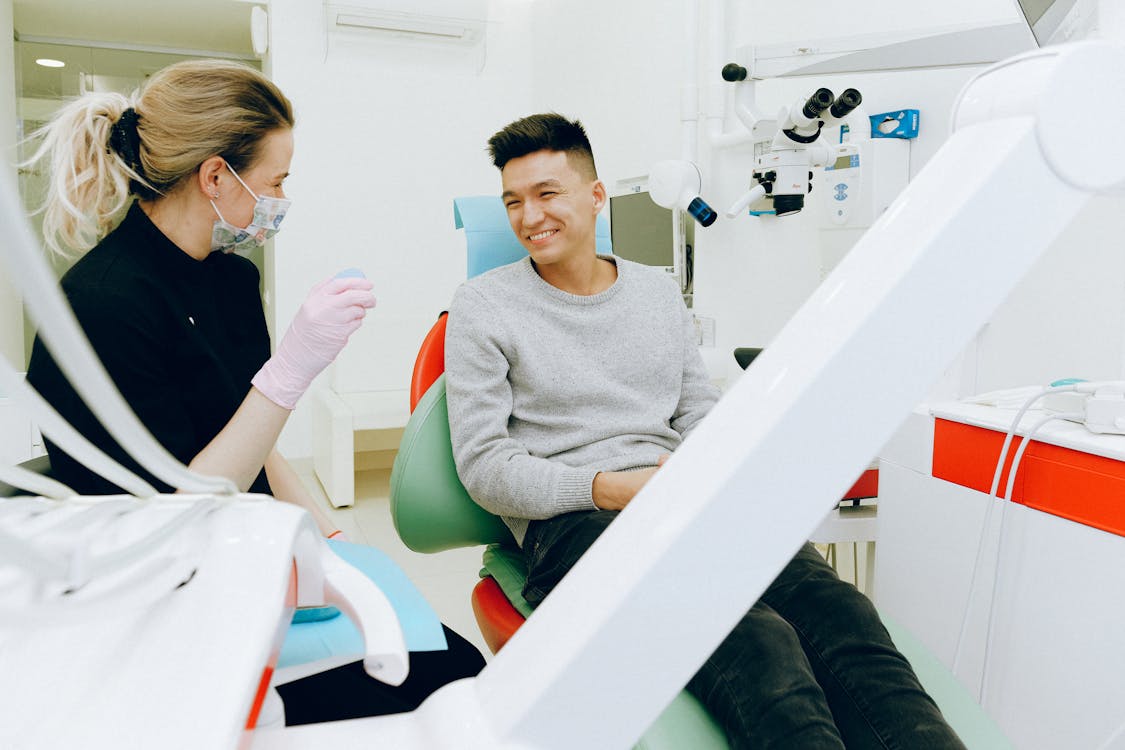
Dental trauma requires rapid, accurate diagnosis to guide immediate treatment decisions. Traditional periapical radiographs have been the standard initial imaging modality, but they have significant limitations: superimposition of structures, geometric distortion, and the inability to visualize fractures that run in the buccolingual plane.
Research demonstrates that CBCT changes the diagnosis or treatment plan in 25-62% of dental trauma cases compared to 2D imaging alone. For complex injuries, 3D imaging has become indispensable.
Root Fractures: The Most Commonly Missed Injury
Horizontal root fractures are detectable on periapical radiographs when the fracture line is parallel to the X-ray beam. However, oblique and vertical root fractures — which are the most clinically significant — are frequently missed because the fracture plane doesn't align with the 2D projection.
CBCT excels at detecting root fractures because it eliminates superimposition and allows visualization in all three planes. The fracture appears as a radiolucent line disrupting the root's continuity, often with adjacent periodontal ligament widening.
- Horizontal fractures: CBCT confirms location (cervical, middle, or apical third) and displacement, guiding splinting decisions.
- Vertical root fractures: Visible as a fracture line running along the long axis of the root, often with a characteristic J-shaped radiolucency. These typically indicate extraction.
- Oblique fractures: Run diagonally through the root. CBCT shows the exact trajectory, helping determine prognosis.
Alveolar Bone Fractures
Traumatic injuries frequently involve the alveolar bone, especially in children. CBCT reveals the extent of alveolar fractures, displacement of bone segments, and involvement of adjacent teeth — critical information for deciding between conservative management and surgical repositioning.
Luxation Injuries
Luxation injuries (concussion, subluxation, lateral luxation, extrusion, and intrusion) require assessment of tooth displacement relative to the socket. CBCT provides precise measurement of displacement distance and direction, relationship of the apex to the inferior alveolar canal or nasal floor, integrity of the labial and palatal/lingual bone plates, and status of adjacent teeth that may appear uninjured on clinical exam.
When to Order CBCT After Trauma
Not every trauma case requires CBCT. Guidelines from the International Association of Dental Traumatology (IADT) and AAOMR suggest CBCT when periapical radiographs are inconclusive, multiple teeth are involved, alveolar fracture is suspected, root fracture is suspected but not confirmed on 2D imaging, and intrusive luxation requires assessment of apex position.
Emergency Collaboration
Dental trauma cases often present to emergency departments or general dental practices before reaching a specialist. With CBCTHub, the initial treating clinician can share the CBCT scan instantly with an endodontist, oral surgeon, or pediatric dentist for remote consultation — enabling faster specialist input on treatment decisions even outside office hours.
Try CBCTHub for free
Upload, view, and share DICOM scans in the cloud. Nothing to install.
Create free accountRelated articles
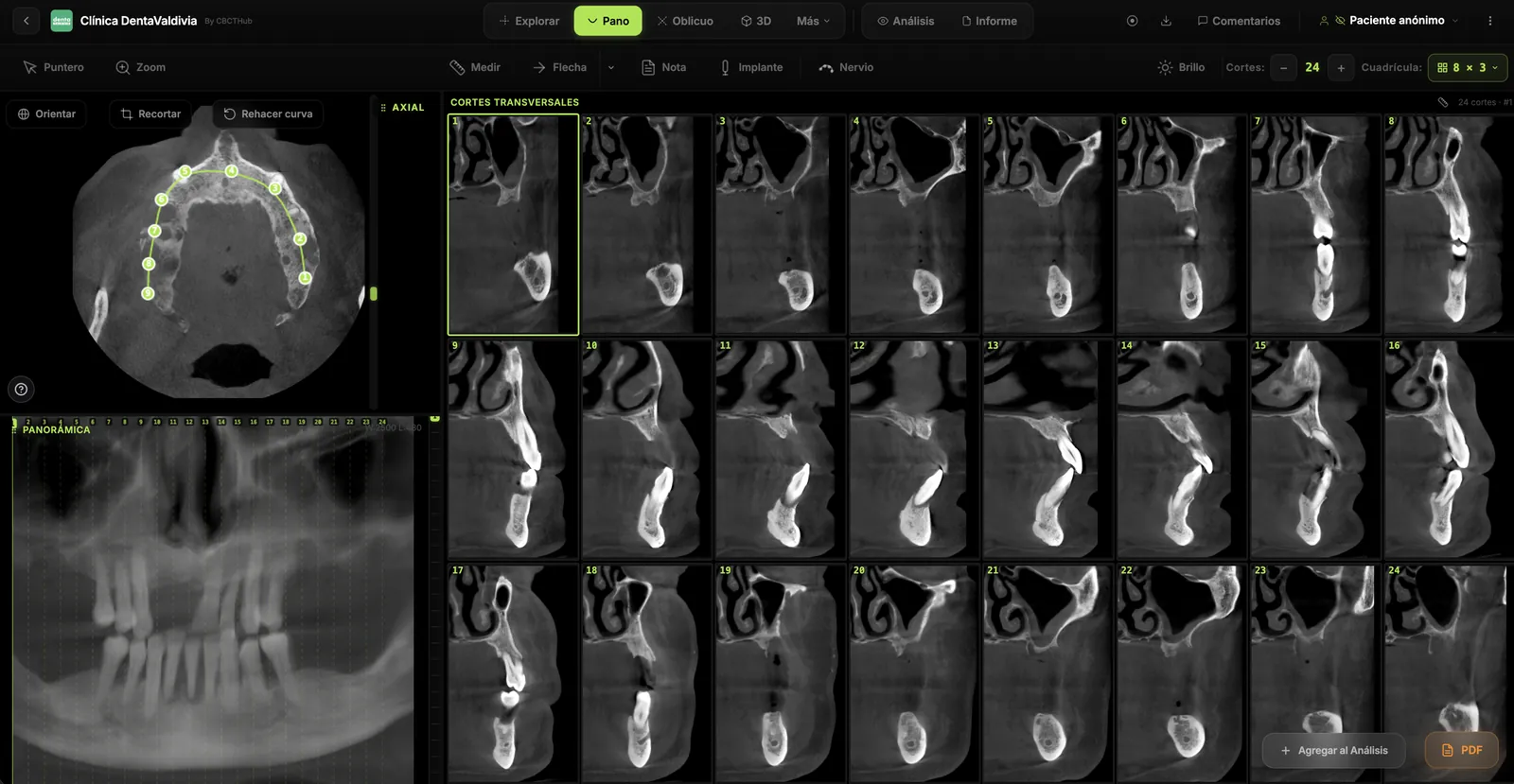
Dental CBCT in the cloud: day-to-day storage and sharing in clinic
What “CBCT in the cloud” means in clinic: store the original DICOM, access it from multiple chairs, and share with access control — without mistaking it for a full PACS or a WhatsApp ZIP.
Browser DICOM viewer vs desktop: what works for CBCT in clinic
Open CBCT in the browser or install a desktop viewer? A clinical decision matrix: MPR performance, offline use, Mac/Windows mix, sharing without CDs, and when native software still wins.
Dental DICOM software: a checklist for choosing a CBCT viewer
Before adopting a dental DICOM or CBCT viewer in the clinic: checklist for interoperability, MPR, mm measurements, share without CD, privacy, and TCO.