Real-Time Collaboration in Dental Radiology

· Updated
The Power of Real-Time Collaboration
Complex dental cases often benefit from input from multiple specialists. Dental radiology collaboration has traditionally been limited by geography and asynchronous communication. Modern technology enables real-time collaboration, connecting radiologists, referring dentists, and specialists instantly regardless of location.
Key Elements of Collaborative Radiology
Simultaneous Image Viewing: Multiple clinicians viewing the same CBCT study simultaneously from different locations. Synchronized viewing ensures everyone sees identical information, enabling discussion without miscommunication.
Annotation and Markup: Users can annotate images with measurements, arrows, and labels. Shared annotations help focus discussion on specific anatomical areas or abnormalities.
Video Conferencing Integration: Screen sharing and video conferencing alongside imaging enables rich discussion. Radiologists can explain findings while pointing to specific image regions.
Secure Messaging: Built-in messaging systems enable typed communication alongside imaging, creating a complete discussion record.
Clinical Applications
Case Consultation: A general dentist identifies complex pathology in a CBCT study and instantly shares the case with an oral surgeon specialist. They review the images together, discuss treatment options, and develop a surgical plan in real-time.
Radiology Review: A referring dentist questions a radiologist's interpretation. They schedule a quick video conference to discuss the specific findings, improving dentist understanding and confidence in recommendations.
Multidisciplinary Case Review: Complex cases benefit from input from multiple specialists. A web-based platform enables orthodontists, oral surgeons, prosthodontists, and radiologists to review imaging simultaneously and contribute expertise.
Benefits for Radiology Centers
Centers implementing teleconsultation capabilities gain competitive advantages:
- Extended Service Area: Provide consulting services to dentists and specialists beyond your geographic region.
- Improved Relationships: Real-time collaboration strengthens relationships with referring dentists.
- Revenue Opportunities: Offer premium consultation services for complex cases.
- Staff Satisfaction: Collaborative, interactive work is more engaging than solitary report writing.
- Professional Growth: Radiologists learn from specialist perspectives and gain broader clinical context.
Workflow Integration
Implementing collaboration requires careful workflow design:
Scheduling: Establish clear procedures for requesting consultations. Will consultations be scheduled in advance or available on demand? Define response time expectations.
Initiation: Enable easy consultation requests through your portal, practice management integration, or direct communication channels.
Record Keeping: Maintain detailed records of all collaborative sessions—participants, discussion topics, recommendations, and outcomes.
Follow-up: Establish procedures for documenting conclusions and communicating decisions to all stakeholders.
Compliance and Documentation
Real-time collaboration requires robust documentation practices:
- Record all participants in collaborative sessions
- Document discussion summaries and any recommendations
- Maintain audit trails showing who accessed what information and when
- Ensure proper consent documentation for any case sharing
- Maintain records for required legal retention periods
Technology Requirements
Robust collaboration platforms require:
- High-Performance Image Streaming: Low-latency display enabling synchronized scrolling across users.
- Stable Network Infrastructure: Reliable internet connections supporting simultaneous streaming to multiple users.
- Security: End-to-end encryption, access controls, and compliance certifications.
- User-Friendly Interface: Intuitive tools enabling clinicians to focus on cases rather than software.
- Integrated Communication: Built-in video, audio, and messaging capabilities.
Privacy Considerations
Patient privacy must be protected throughout collaborative workflows:
- Explicit consent before sharing imaging with additional parties
- Limited access—share only with clinicians directly involved in patient care
- Secure communication channels protecting patient information
- De-identification when imaging is used for teaching or case discussion
- Regular audits ensuring data access compliance
Future of Collaborative Dentistry
As technology advances, collaboration capabilities will expand further. Virtual reality may enable immersive case reviews. Artificial intelligence may surface relevant literature and precedent cases. Automation may facilitate routine case routing to appropriate specialists.
Conclusion
Real-time collaboration transforms dental radiology from a solitary expert review to a dynamic, interactive consultation process. By enabling synchronous discussion among radiologists, dentists, and specialists, modern collaboration platforms enhance case outcomes, strengthen professional relationships, and position radiology centers as essential partners in comprehensive patient care. The future of specialty dental practice is collaborative, and technology increasingly enables and facilitates this teamwork.
Try CBCTHub for free
Upload, view, and share DICOM scans in the cloud. Nothing to install.
Create free accountRelated articles
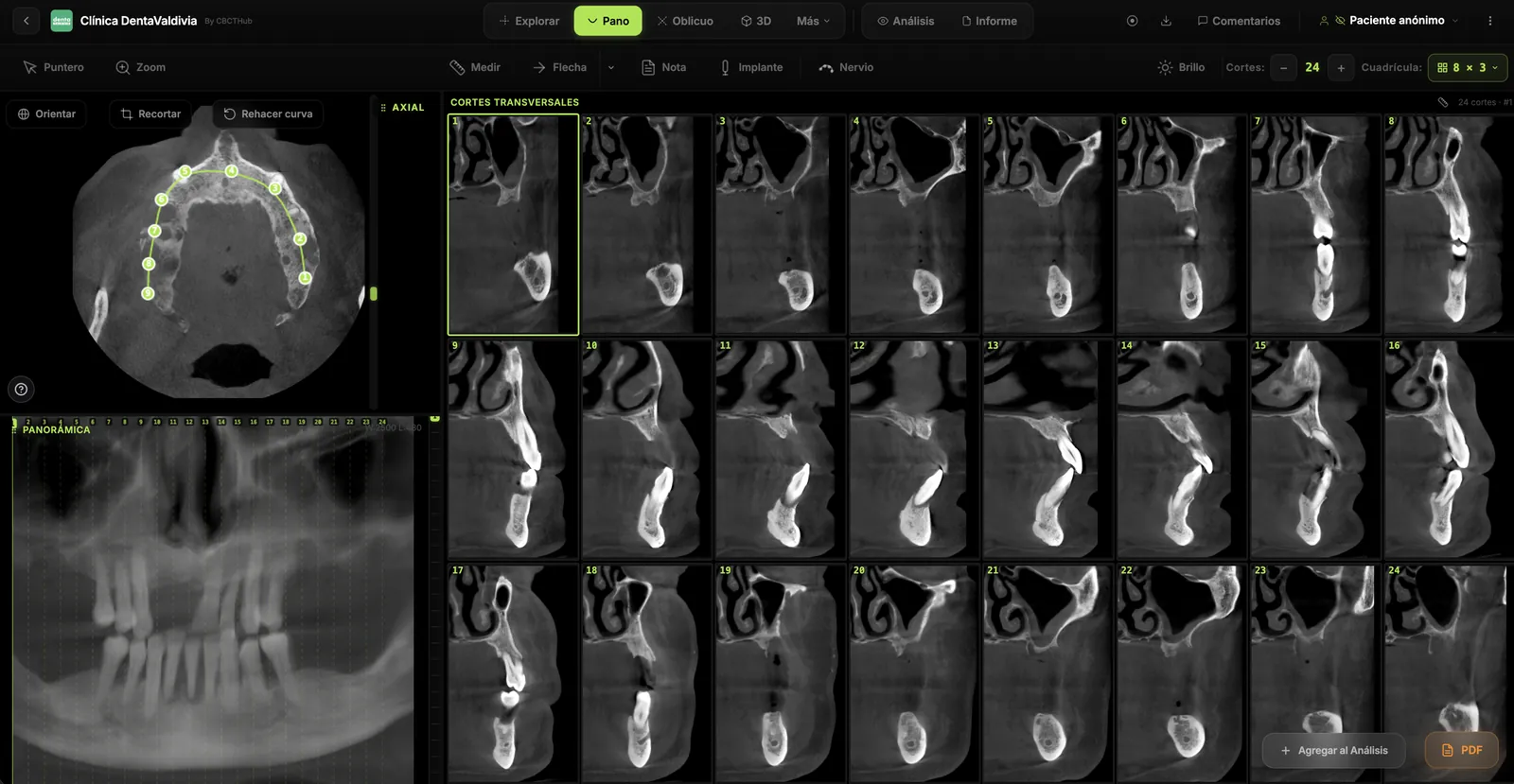
Dental CBCT in the cloud: day-to-day storage and sharing in clinic
What “CBCT in the cloud” means in clinic: store the original DICOM, access it from multiple chairs, and share with access control — without mistaking it for a full PACS or a WhatsApp ZIP.
Browser DICOM viewer vs desktop: what works for CBCT in clinic
Open CBCT in the browser or install a desktop viewer? A clinical decision matrix: MPR performance, offline use, Mac/Windows mix, sharing without CDs, and when native software still wins.
Dental DICOM software: a checklist for choosing a CBCT viewer
Before adopting a dental DICOM or CBCT viewer in the clinic: checklist for interoperability, MPR, mm measurements, share without CD, privacy, and TCO.