CBCT for Sinus Lift Planning: Pre-Surgical Assessment Guide


Why Sinus Lift Procedures Need CBCT
Maxillary sinus augmentation (sinus lift) is one of the most common bone grafting procedures in implant dentistry. When posterior maxillary bone height is insufficient for implant placement — typically less than 8-10 mm — a sinus lift creates the necessary bone volume by elevating the Schneiderian membrane and grafting bone beneath it.
CBCT imaging is essential for sinus lift planning because it reveals the 3D anatomy that determines surgical approach, predicts complications, and influences graft volume calculations.
Critical Measurements on CBCT
Before any sinus augmentation procedure, these CBCT measurements guide the surgical plan:
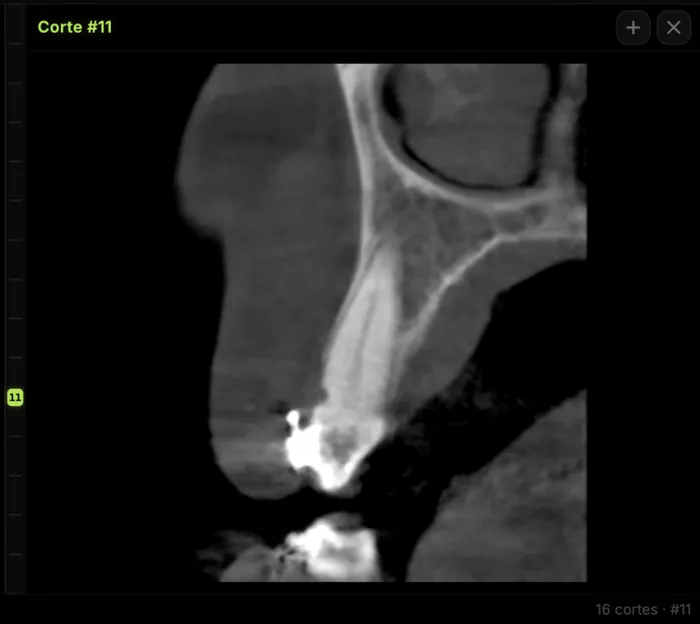
- Residual bone height (RBH): Measured from the alveolar crest to the sinus floor in cross-sectional views. RBH less than 4 mm typically indicates a lateral window approach; 4-8 mm may allow a transcrestal (osteotome) technique.
- Residual bone width: Buccolingual width at the crest determines whether simultaneous ridge augmentation is needed.
- Sinus floor morphology: Flat, convex, or irregular floors affect membrane elevation difficulty. Curved floors increase perforation risk.
- Schneiderian membrane thickness: Visible on CBCT when thickened (>2 mm). Extreme thickening may indicate active sinusitis that should be treated before surgery.
Identifying Sinus Septa
Sinus septa (Underwood's septa) are bony walls that divide the maxillary sinus into compartments. They are present in 30-35% of patients and are a leading cause of membrane perforation during lateral window sinus lifts.
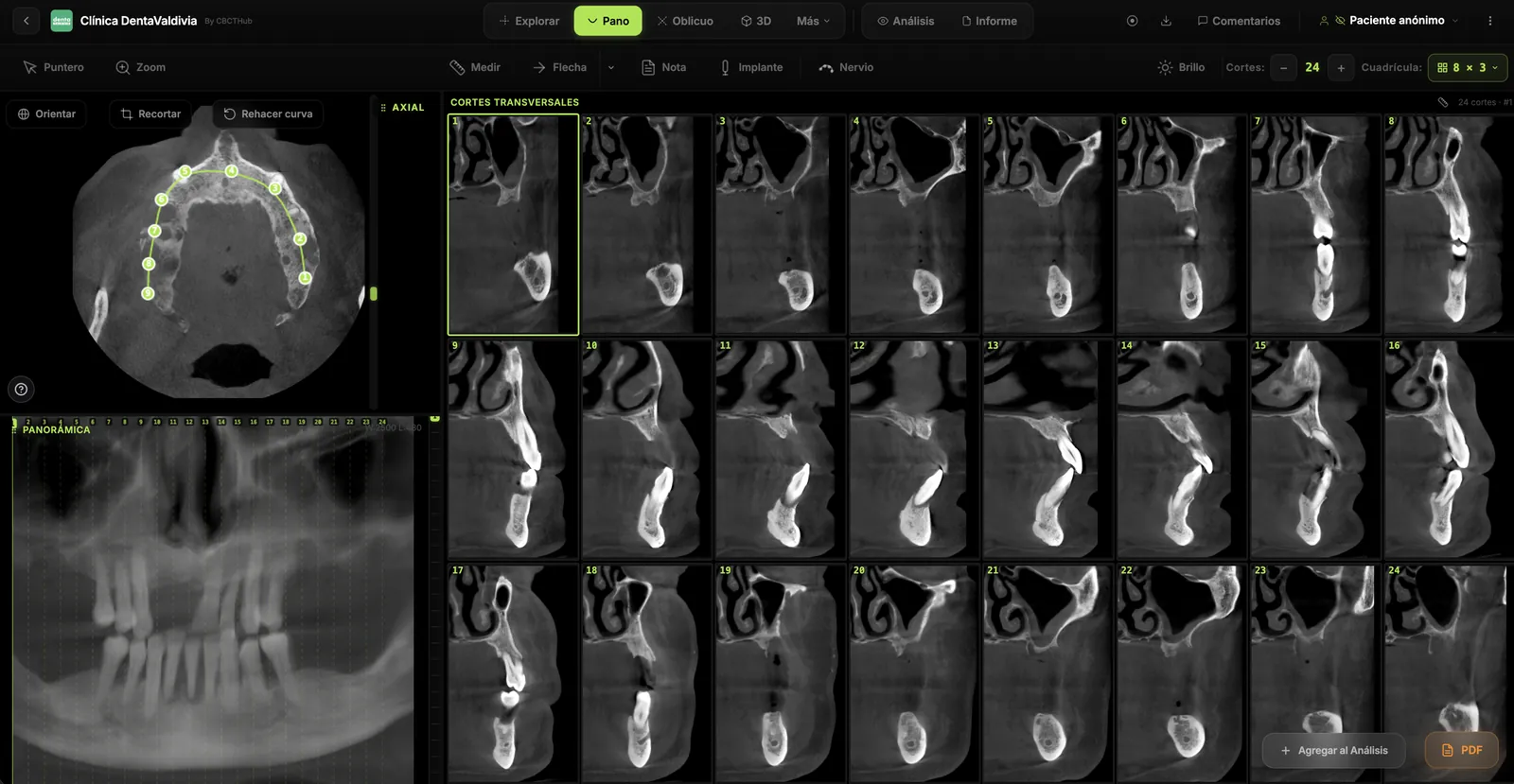
CBCT allows precise identification of septa location, height, and orientation — information that is invisible on panoramic radiographs. When septa are present, the surgeon may need to modify the osteotomy window, create two separate windows on either side of the septum, or adjust the membrane elevation technique.
Mapping the Posterior Superior Alveolar Artery (PSAA)
The posterior superior alveolar artery runs within the lateral wall of the maxillary sinus. During a lateral window approach, this artery can be severed, causing significant bleeding that compromises visibility and the procedure.
CBCT reveals the PSAA in cross-sectional and coronal views, showing its distance from the alveolar crest (typically 15-19 mm) and its position within or on the surface of the lateral wall. When the artery runs close to the planned osteotomy, the window can be repositioned to avoid it.
Evaluating Sinus Health
CBCT also reveals sinus pathology that may contraindicate or delay surgery:
- Mucous retention cysts: Dome-shaped radiopacities on the sinus floor, usually benign and not a contraindication unless very large.
- Sinusitis: Mucosal thickening, air-fluid levels, or complete opacification suggest active infection. Treat before grafting.
- Ostium patency: The maxillary sinus ostium should be patent for proper drainage. Obstruction increases post-surgical complication risk.
- Oroantral communications: Existing communications from prior extractions must be addressed before or during the sinus lift.
Collaborative Planning
Sinus lift procedures often involve a team: the surgeon performing the graft, the restorative dentist planning the implants, and sometimes a periodontist or ENT. Sharing the pre-surgical CBCT via CBCTHub ensures everyone can review the anatomy, discuss the surgical approach, and coordinate the implant-prosthetic plan before the patient enters the operating room.
Try CBCTHub for free
Upload, view, and share DICOM scans in the cloud. Nothing to install.
Create free accountRelated articles
Browser DICOM viewer vs desktop: what works for CBCT in clinic
Open CBCT in the browser or install a desktop viewer? A clinical decision matrix: MPR performance, offline use, Mac/Windows mix, sharing without CDs, and when native software still wins.
How to open a CBCT without installing software: a practical online-viewer guide
You got a CD, ZIP, or link with a CBCT and no manufacturer viewer. How to open the DICOM in the browser, measure in mm, and what to do when it fails.
Mandibular canal and inferior alveolar nerve on CBCT: anatomy, variants, and pre-surgical measurement
Locate the mandibular canal and IAN on CBCT: mental loop, bifid/retromolar canal, measurement checklist, and when to escalate from panoramic (ALADA).