The Future of Dental Radiology: AI, Cloud, and Collaboration
· Updated

The Convergence of Technologies
The future of dental radiology will be shaped by the convergence of artificial intelligence, cloud computing, and collaborative platforms. Understanding these emerging trends helps dental professionals prepare for inevitable changes and position themselves for success in a rapidly evolving landscape.
Artificial Intelligence in Dental Radiology
AI is rapidly becoming integrated into diagnostic imaging workflows:
Automated Detection and Diagnosis: AI algorithms trained on thousands of imaging cases can detect pathology with sensitivity approaching or exceeding human radiologists. Current applications include detection of caries, periapical lesions, bone loss, and jaw fractures. As algorithms improve, applications will expand to more complex diagnoses.
Assisted Measurement and Analysis: Rather than replacing radiologists, AI tools increasingly assist with routine measurements, segmentation, and feature extraction. This accelerates workflow while ensuring radiologist oversight of all diagnoses.
Predictive Analytics: AI models can predict treatment outcomes based on imaging characteristics and patient factors. This enables earlier intervention for higher-risk cases and more informed patient discussions.
Quality Optimization: Machine learning algorithms analyze imaging protocols and automatically adjust acquisition parameters to optimize quality while minimizing radiation dose—a win-win for diagnosis and safety.
Privacy-Preserving AI: Federated learning and differential privacy techniques enable training AI models on sensitive patient data without centralizing personal information. This may unlock powerful AI dental imaging capabilities while respecting privacy.
Cloud-Native Imaging Infrastructure
Cloud computing is reshaping imaging center operations:
Elastic Scalability: Cloud-based PACS and imaging systems automatically scale computing resources based on demand. Centers avoid overprovisioning for peak periods or underprovisioning during growth.
Global Accessibility: Cloud infrastructure enables imaging access from anywhere globally, supporting telemedicine and remote consultation models.
AI Integration: Cloud providers offer integrated AI services—pre-trained models and development frameworks—enabling imaging centers to deploy AI without specialized expertise.
Reduced Infrastructure Burden: Cloud vendors manage all infrastructure maintenance, security patching, and upgrades. Radiology centers focus on clinical workflow rather than IT management.
Advances in Collaboration
Future collaboration platforms will be increasingly sophisticated:
Real-Time Multi-Specialty Consultation: Virtual meeting spaces enabling radiologists, dentists, and specialists to collaborate on complex cases in real-time, with integrated imaging and discussion records.
Augmented Reality Integration: AR technology may enable visualization of imaging data overlaid on patient anatomy, useful for surgical planning and patient education.
AI-Assisted Decision Support: AI algorithms will suggest relevant literature, precedent cases, and decision support recommendations during case review.
Seamless Integration with Clinical Workflows: Collaboration tools will integrate directly into practice management systems, eliminating context switching and reducing friction.
Advanced Imaging Capabilities
Dynamic Imaging: Advances in CBCT technology may enable temporal imaging—capturing changes over time. This could revolutionize assessment of treatment outcomes and disease progression.
Spectral Imaging: Future systems may capture spectral information—distinguishing materials based on X-ray energy absorption. This could enable differentiation of bone density variations, metal artifacts, or pathologic tissues.
Functional Imaging: Integration of functional data (blood flow, metabolism) with anatomical imaging could provide new diagnostic capabilities beyond traditional anatomy visualization.
Regulatory Evolution
AI Regulation: Governments are developing frameworks for AI in healthcare. Expect increasing requirements for algorithm validation, explainability, and bias assessment. Radiologists and centers will need to understand and document AI decision-making processes.
Data Privacy Regulations: Regulations like GDPR are setting precedents for strict data privacy. Future regulations may become more stringent, requiring even greater attention to data security and patient privacy.
Interoperability Standards: Increased focus on health data interoperability will drive adoption of standards enabling seamless data exchange across systems and organizations.
Workforce Implications
These technological shifts will transform the radiology workforce:
Radiologist Roles Evolution: As routine detection tasks are automated, radiologist roles will shift toward complex case interpretation, AI oversight, and clinical consultation. This may increase job satisfaction through more complex, intellectually engaging work.
New Specialty Roles: Emerging roles—radiomics specialists, AI/imaging informatics experts, clinical imaging informaticists—will become increasingly important.
Continuous Learning Requirement: Rapid technological change will make continuous professional development essential. Radiologists must maintain competency with emerging tools and techniques.
Patient-Centric Imaging
Future imaging will increasingly prioritize patient experience:
Patient Access to Imaging: Direct patient access to their own imaging through patient portals will become standard, enabling engagement with their healthcare data.
Personalized Reports: Reports will be tailored to patient understanding levels, with supplementary visual explanations and educational materials.
Shared Decision-Making: Advanced visualization and patient communication tools will enable clinicians and patients to collaboratively develop treatment plans based on imaging findings.
Preparing for the Future
Dental professionals can prepare for these changes:
- Continuous Education: Stay informed about emerging technologies through professional development and literature review.
- Experimentation: Pilot new technologies in controlled settings to understand capabilities and limitations before full adoption.
- Professional Collaboration: Participate in professional organizations and networks sharing knowledge about emerging practices.
- Patient-Centered Focus: Maintain emphasis on patient outcomes and experience—technology should enhance, not distract from this focus.
- Ethical Considerations: Engage critically with ethical implications of AI, data privacy, and technological change in healthcare.
Conclusion
The future of dental radiology future is exciting and rapidly approaching. AI dental imaging, cloud infrastructure, and advanced collaboration will transform diagnostic workflows, improve patient outcomes, and create new opportunities. By understanding these emerging trends and preparing for change, dental professionals can position themselves as leaders in the evolving landscape of dental imaging and diagnostics. The technology is changing—the challenge is ensuring that change ultimately improves patient care and professional practice.
Try CBCTHub for free
Upload, view, and share DICOM scans in the cloud. Nothing to install.
Create free accountRelated articles
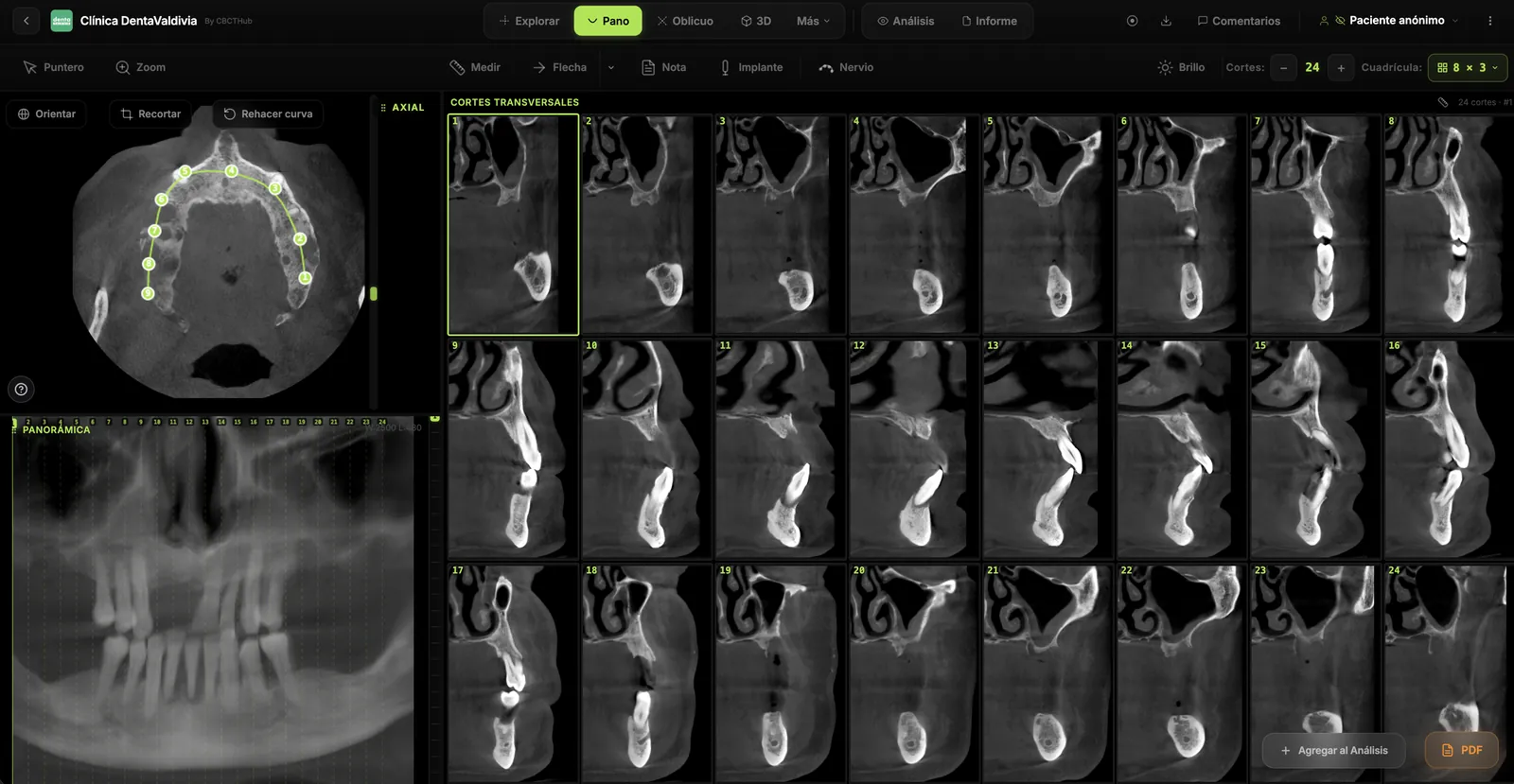
Online CBCT viewer: what it is and when to use it in clinic
What an online CBCT viewer is, when to use it vs desktop or CD, DICOM tools (MPR, measurements, share link) and basic privacy in clinic.
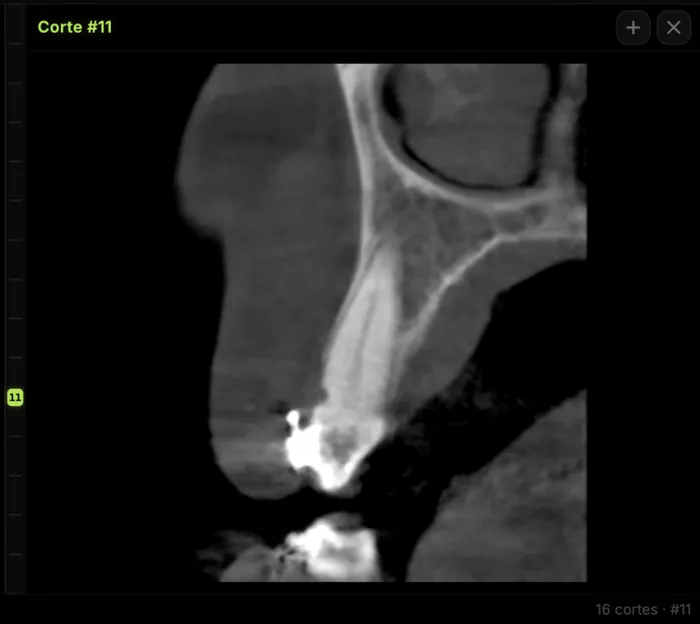
Mandibular canal and inferior alveolar nerve on CBCT: anatomy, variants, and pre-surgical measurement
Locate the mandibular canal and IAN on CBCT: mental loop, bifid/retromolar canal, measurement checklist, and when to escalate from panoramic (ALADA).
Dental CBCT in the cloud: day-to-day storage and sharing in clinic
What “CBCT in the cloud” means in clinic: store the original DICOM, access it from multiple chairs, and share with access control — without mistaking it for a full PACS or a WhatsApp ZIP.